

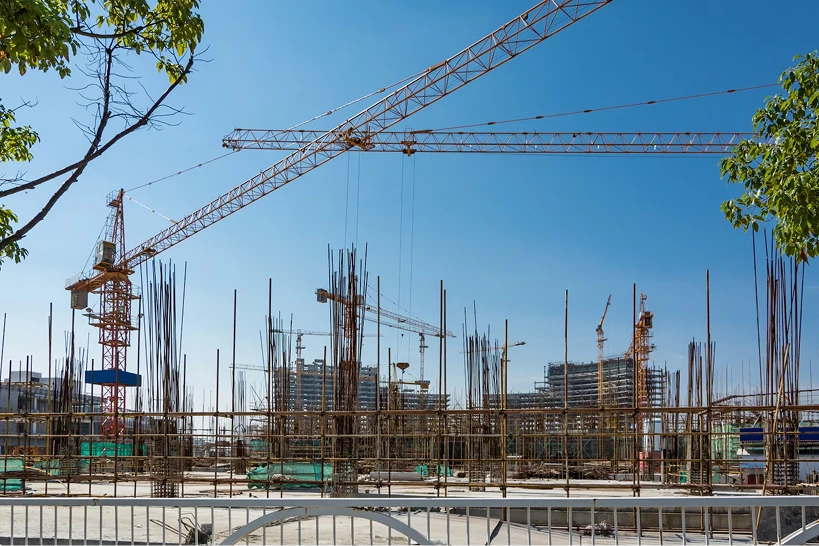
Business owners and property developers face a critical decision when expanding or establishing new commercial operations: should you pursue a commercial build-out of existing space or invest in ground-up commercial construction? This choice significantly impacts project costs, timelines, flexibility, and long-term operational success.
Understanding the differences between commercial build-out and ground-up construction helps you make informed decisions that align with your business goals, budget constraints, and operational requirements. Both approaches offer distinct advantages, but selecting the wrong option can lead to cost overruns, delays, and operational limitations that hinder business growth.
This comprehensive guide examines commercial build-out versus ground-up construction, providing detailed cost comparisons, timeline expectations, and decision frameworks to help Charleston area businesses choose the right construction approach.
What Is a Commercial Build-Out?
A commercial build-out refers to the interior construction and customization of existing commercial space to meet specific tenant or business requirements. Commercial build-out projects transform raw or previously occupied spaces into functional environments tailored to business operations.
Commercial build-out typically occurs within existing buildings where the shell structure, exterior walls, and core building systems already exist. The build-out process customizes interior spaces to accommodate specific business needs, operational requirements, and aesthetic preferences.
Common Commercial Build-Out Examples
Retail Spaces: Retail commercial build-out projects customize storefronts, sales floors, fitting rooms, checkout areas, and storage spaces. Retail build-outs create customer-facing environments that support sales operations while maintaining brand identity and customer experience standards.
Office Interiors: Office commercial build-out projects create functional workspaces including private offices, conference rooms, open work areas, break rooms, and reception areas. Office build-outs optimize space utilization while supporting productivity and employee satisfaction.
Restaurant and Food Service: Restaurant commercial build-out projects install commercial kitchens, dining areas, bars, and service stations. These build-outs must comply with health department regulations while creating appealing customer environments.
Medical and Healthcare Facilities: Medical commercial build-out projects create examination rooms, waiting areas, administrative spaces, and specialized treatment areas. Healthcare build-outs must meet strict regulatory requirements while supporting patient care operations.
Warehouse and Industrial Spaces: Industrial commercial build-out projects customize warehouse layouts, install mezzanines, create office areas within warehouses, and configure loading docks. These build-outs optimize material flow and operational efficiency.
What a Commercial Build-Out Typically Includes
Commercial build-out projects typically include interior construction elements such as:
Partition Walls: Installing or modifying interior walls to create room layouts and functional spaces.
Electrical Systems: Installing or upgrading electrical systems including lighting, outlets, data connections, and specialized equipment power requirements.
HVAC Modifications: Adjusting heating, ventilation, and air conditioning systems to serve customized space layouts and occupancy requirements.
Plumbing: Installing or modifying plumbing systems for restrooms, kitchens, break rooms, and specialized equipment requiring water connections.
Flooring: Installing flooring materials appropriate for space use including carpet, tile, hardwood, or commercial-grade materials.
Ceilings: Installing or modifying ceiling systems including acoustic tiles, lighting integration, and aesthetic treatments.
Finishes: Applying paint, wall coverings, and decorative elements that create desired aesthetic environments.
Specialized Systems: Installing security systems, fire suppression, data infrastructure, and other specialized systems required for business operations.
Commercial build-out projects work within existing building constraints, requiring coordination with building owners, property managers, and existing infrastructure limitations.
What Is Ground-Up Commercial Construction?
Ground-up commercial construction involves building complete commercial facilities from undeveloped land, creating new structures from foundation to completion. Ground-up construction projects start with raw land and develop entire buildings including structure, systems, and finishes.
Ground-up commercial construction provides complete control over building design, systems, and layout without existing structure limitations. These projects require comprehensive planning, extensive permitting, and longer timelines compared to commercial build-out projects.
Project Types That Require Building from the Ground Up
New Development: Properties without existing structures require ground-up construction. New commercial developments create buildings designed specifically for intended uses.
Complete Replacement: When existing buildings cannot accommodate business requirements or renovation costs exceed new construction value, ground-up construction provides better solutions.
Specialized Facilities: Businesses requiring specialized building configurations, unusual dimensions, or specific structural requirements often benefit from ground-up construction designed for exact needs.
Expansion Projects: When existing facilities cannot accommodate growth, ground-up construction creates additional buildings or entirely new facilities supporting expanded operations.
Regulatory Compliance: When existing buildings cannot meet current building codes, accessibility requirements, or environmental regulations, ground-up construction creates compliant facilities.
How Scope and Approvals Differ from Build-Outs
Ground-up commercial construction involves significantly broader scope than commercial build-out projects:
Site Development: Ground-up projects require land clearing, site preparation, grading, and excavation to prepare building sites.
Infrastructure Installation: Ground-up projects install complete utility systems including water, sewer, electrical, gas, and telecommunications infrastructure from property lines to building connections.
Structural Construction: Ground-up projects construct complete building structures including foundations, framing, roofing, and exterior envelope systems.
System Installation: Ground-up projects install complete building systems including HVAC, plumbing, electrical, fire protection, and security systems integrated into building design.
Permitting Complexity: Ground-up construction requires comprehensive permitting including site plans, building permits, environmental approvals, utility connections, and occupancy permits. The U.S. Department of Commerce provides resources on commercial construction permitting requirements.
Ground-up construction projects involve multiple contractors, longer timelines, and more complex coordination than commercial build-out projects.
Commercial Build-Out vs Ground-Up Construction (Key Differences)
Understanding key differences between commercial build-out and ground-up construction helps you evaluate which approach suits your business needs.
Cost Comparison
Commercial Build-Out Costs: Commercial build-out projects typically cost $30-$200 per square foot depending on scope, finishes, and existing conditions. Basic office build-outs may cost $30-$60 per square foot, while high-end retail or medical build-outs may cost $100-$200+ per square foot.
Ground-Up Construction Costs: Ground-up commercial construction typically costs $150-$400+ per square foot depending on building type, finishes, and site conditions. Basic warehouse construction may cost $150-$200 per square foot, while high-end office buildings may cost $300-$400+ per square foot.
Cost Factors: Commercial build-out costs depend on existing conditions, required modifications, and finish quality. Ground-up construction costs depend on site conditions, building complexity, infrastructure requirements, and material costs.
Timeline Comparison
Commercial Build-Out Timelines: Commercial build-out projects typically require 4-16 weeks from permit approval to completion. Simple office build-outs may complete in 4-8 weeks, while complex retail or medical build-outs may require 12-16 weeks.
Ground-Up Construction Timelines: Ground-up commercial construction typically requires 6-18 months from permit approval to completion. Simple warehouse buildings may complete in 6-9 months, while complex office buildings may require 12-18 months.
Timeline Factors: Commercial build-out timelines depend on scope, existing conditions, and permit processing. Ground-up construction timelines depend on building size, complexity, weather conditions, and permit processing duration.
Permitting Comparison
Commercial Build-Out Permits: Commercial build-out projects typically require interior renovation permits, electrical permits, plumbing permits, and occupancy permits. Permit processing may require 2-6 weeks depending on jurisdiction and project scope.
Ground-Up Construction Permits: Ground-up construction requires comprehensive permitting including site development permits, building permits, environmental approvals, utility connection permits, and occupancy permits. Permit processing may require 3-6 months depending on project complexity and jurisdiction requirements.
Permit Complexity: Commercial build-out permits focus on interior modifications and system upgrades. Ground-up construction permits address complete building design, site development, environmental impact, and infrastructure installation.
Flexibility Comparison
Commercial Build-Out Flexibility: Commercial build-out projects work within existing building constraints including structure, systems, and layout limitations. Modifications are limited by existing building configuration and infrastructure capacity.
Ground-Up Construction Flexibility: Ground-up construction provides complete design freedom, allowing custom building configurations, specialized systems, and optimized layouts designed specifically for business requirements.
Design Freedom: Commercial build-out adapts existing spaces to business needs. Ground-up construction creates spaces designed from the start for specific business operations.
Ideal Use Cases for Each
Commercial Build-Out Ideal For:
- Businesses requiring quick occupancy
- Projects with limited budgets
- Tenants leasing existing commercial space
- Businesses with standard space requirements
- Projects where existing buildings meet basic needs
Ground-Up Construction Ideal For:
- Businesses requiring specialized facilities
- Projects where existing buildings cannot accommodate needs
- Long-term owner-occupied facilities
- Businesses requiring complete design control
- Projects where new construction provides better long-term value
Commercial Build-Out Costs (Retail & Office Projects)
Commercial build-out costs vary significantly based on project type, scope, existing conditions, and finish quality. Understanding typical cost ranges helps budget effectively.
Typical Commercial Build-Out Cost Ranges
Basic Office Build-Out: $30-$60 per square foot
- Standard partitions, basic finishes, standard electrical and HVAC
- Suitable for professional offices with standard requirements
Mid-Range Office Build-Out: $60-$100 per square foot
- Enhanced finishes, upgraded systems, custom layouts
- Suitable for corporate offices requiring professional appearance
High-End Office Build-Out: $100-$150+ per square foot
- Premium finishes, advanced systems, custom design elements
- Suitable for executive offices and premium corporate spaces
Basic Retail Build-Out: $50-$80 per square foot
- Standard storefront, basic finishes, standard systems
- Suitable for simple retail operations
Mid-Range Retail Build-Out: $80-$120 per square foot
- Enhanced storefront, upgraded finishes, specialized systems
- Suitable for branded retail environments
High-End Retail Build-Out: $120-$200+ per square foot
- Premium storefront, luxury finishes, advanced systems
- Suitable for high-end retail and flagship stores
Cost Factors Affecting Commercial Build-Out
Existing Conditions: The condition of existing space significantly affects build-out costs. Spaces requiring extensive demolition, asbestos abatement, or structural modifications cost more than clean, empty spaces ready for build-out.
Materials and Finishes: Finish quality dramatically affects costs. Basic finishes cost significantly less than premium materials. Flooring, lighting, and wall treatments represent major cost variables.
Code Upgrades: Existing buildings may require code upgrades including electrical, plumbing, fire protection, and accessibility improvements. These upgrades add costs but ensure compliance and safety.
Specialized Systems: Businesses requiring specialized systems including commercial kitchens, medical equipment, data centers, or manufacturing equipment face higher build-out costs.
Timeline Constraints: Rushed projects requiring accelerated schedules typically cost more due to overtime labor, premium material delivery, and contractor scheduling premiums.
Differences Between Retail Construction Cost and Office Build-Out Cost
Retail Construction Cost Factors:
- Storefront systems and signage
- Customer-facing finishes and displays
- Point-of-sale and security systems
- Inventory storage and back-of-house areas
- Compliance with retail-specific codes
Office Build-Out Cost Factors:
- Workstation and office layouts
- Conference and meeting spaces
- Data and telecommunications infrastructure
- Employee amenities and break areas
- Professional finishes and branding
Retail construction cost typically focuses on customer experience and sales optimization. Office build-out cost typically focuses on productivity, collaboration, and professional environment.
Ground-Up Construction Costs & Timelines
Ground-up commercial construction involves significantly higher costs and longer timelines than commercial build-out projects. Understanding these factors helps set realistic expectations.
Why Ground-Up Construction Costs More
Site Development: Ground-up construction requires extensive site preparation including land clearing, grading, excavation, and drainage installation. Site development typically costs $10-$30 per square foot depending on site conditions.
Infrastructure Installation: Ground-up projects install complete utility infrastructure including water, sewer, electrical, gas, and telecommunications. Infrastructure installation typically costs $15-$40 per square foot depending on site location and utility availability.
Structural Construction: Building structure including foundations, framing, roofing, and exterior envelope represents major cost components. Structural construction typically costs $50-$150 per square foot depending on building type and structural requirements.
System Installation: Complete building systems including HVAC, plumbing, electrical, fire protection, and security systems cost significantly more than system modifications in build-out projects.
Finishes and Specialties: While finishes represent similar costs per square foot, ground-up projects include finishes throughout entire buildings rather than selected areas in build-out projects.
Timeline Considerations for Ground-Up Construction
Permits: Ground-up construction requires comprehensive permitting including site plans, building permits, environmental approvals, and utility connections. Permit processing typically requires 3-6 months depending on project complexity and jurisdiction.
Site Preparation: Site development including clearing, grading, excavation, and infrastructure installation typically requires 2-4 months depending on site size and conditions.
Weather: Ground-up construction faces weather delays affecting site work, foundation construction, and exterior work. Charleston’s climate allows year-round construction, but heavy rainfall can delay site work and foundation construction.
Material Delivery: Ground-up projects require extensive material deliveries coordinated with construction phases. Material availability and delivery schedules affect project timelines.
Construction Phases: Ground-up construction proceeds through sequential phases including site work, foundations, structure, systems, and finishes. Each phase must complete before subsequent phases begin, creating longer overall timelines.
When Ground-Up Construction Makes Sense Financially
Ground-up construction makes financial sense when:
Long-Term Ownership: Businesses planning long-term facility ownership benefit from ground-up construction designed for specific needs, providing better long-term value than adapting existing buildings.
Specialized Requirements: Businesses requiring specialized building configurations, unusual dimensions, or specific structural requirements often find ground-up construction more cost-effective than extensive renovations.
Code Compliance: When existing buildings cannot meet current codes without extensive modifications, ground-up construction may provide better value than renovation.
Operational Efficiency: Ground-up construction allows optimized layouts and systems designed for specific operations, potentially providing operational savings exceeding construction cost premiums.
Property Value: Ground-up construction creates new assets with modern systems and finishes, potentially providing better property value than renovated existing buildings.
Which Option Is Right for Your Business?
Choosing between commercial build-out and ground-up construction requires evaluating business needs, budget constraints, timeline requirements, and long-term goals.
When a Commercial Build-Out Is the Better Option
Commercial build-out provides better value when:
Quick Occupancy Required: Businesses needing operational space quickly benefit from commercial build-out timelines typically 4-16 weeks versus 6-18 months for ground-up construction.
Budget Constraints: Commercial build-out costs $30-$200 per square foot versus $150-$400+ per square foot for ground-up construction, making build-out more accessible for businesses with limited budgets.
Leased Space: Tenants leasing commercial space typically pursue build-out projects rather than ground-up construction, as landlords own building structures.
Standard Requirements: Businesses with standard space requirements that existing buildings can accommodate benefit from commercial build-out adapting existing spaces.
Short-Term Needs: Businesses with uncertain long-term space needs benefit from commercial build-out flexibility allowing easier relocation or modification.
Existing Building Suitability: When existing buildings provide suitable locations, layouts, and infrastructure, commercial build-out adapts spaces cost-effectively.
When Ground-Up Commercial Construction Is the Better Option
Ground-up commercial construction provides better value when:
Specialized Facilities Required: Businesses requiring specialized building configurations, unusual dimensions, or specific structural requirements benefit from ground-up construction designed for exact needs.
Long-Term Ownership: Businesses planning long-term facility ownership benefit from ground-up construction optimized for specific operations and long-term requirements.
Complete Design Control: Businesses requiring complete control over building design, systems, and layout benefit from ground-up construction providing design freedom.
Code Compliance: When existing buildings cannot meet current codes without extensive modifications, ground-up construction creates compliant facilities more cost-effectively.
Operational Optimization: Businesses requiring optimized layouts and systems designed for specific operations benefit from ground-up construction creating efficient facilities.
Property Development: Property developers creating commercial facilities for sale or lease benefit from ground-up construction creating new assets with modern systems and finishes.
Common Mistakes When Choosing a Commercial Build-Out or Ground-Up Project
Avoiding common mistakes helps ensure successful projects that meet business needs and budget constraints.
Underestimating Build-Out Scope
Many businesses underestimate commercial build-out scope, assuming existing spaces require minimal modification. Hidden conditions including outdated systems, code deficiencies, and structural limitations often increase build-out costs and timelines significantly.
Prevention: Conduct thorough space assessments before committing to build-out projects. Professional evaluations identify hidden conditions affecting costs and timelines.
Choosing Speed Over Quality
Businesses prioritizing quick occupancy sometimes accept inferior construction quality to accelerate timelines. Poor quality construction leads to maintenance problems, operational issues, and premature replacement costs.
Prevention: Balance timeline requirements with quality standards. Quality construction provides better long-term value than rushed projects requiring frequent repairs.
Not Planning for Future Growth
Businesses planning commercial build-out or ground-up construction sometimes design for current needs without considering future growth. Inadequate space or systems limit expansion and require expensive modifications.
Prevention: Design facilities accommodating reasonable growth projections. Flexible layouts and expandable systems support growth without major modifications.
Overlooking Permitting Requirements
Businesses sometimes underestimate permitting complexity and duration, leading to project delays and cost overruns. Permitting requirements vary significantly between commercial build-out and ground-up construction.
Prevention: Research permitting requirements early. Professional contractors understand local permitting processes and can help navigate requirements efficiently.
Inadequate Budget Planning
Businesses sometimes budget for base construction costs without accounting for contingencies, change orders, and unexpected conditions. Inadequate budgets lead to project delays, scope reductions, or quality compromises.
Prevention: Include 15-25% contingency in budgets. Professional contractors provide detailed cost estimates accounting for typical variables and contingencies.
How a Commercial Contractor Supports Build-Out & Ground-Up Projects
Professional commercial contractors provide essential services supporting successful commercial build-out and ground-up construction projects.
Pre-Construction Planning
Commercial contractors conduct thorough planning including site assessments, space evaluations, code reviews, and feasibility studies. Comprehensive planning identifies potential issues early, allowing proactive solutions that prevent delays and cost overruns.
Professional planning includes detailed cost estimates, timeline projections, and risk assessments helping businesses make informed decisions about commercial build-out versus ground-up construction approaches.
Budget Forecasting
Commercial contractors provide detailed budget forecasts including base costs, contingencies, and potential variables. Accurate budgets help businesses evaluate commercial build-out versus ground-up construction options and secure appropriate financing.
Professional budget forecasting accounts for material costs, labor rates, permit fees, and typical project variables providing realistic cost expectations.
Permit Coordination
Commercial contractors understand local permitting requirements and coordinate permit applications, reviews, and approvals. Professional permit coordination accelerates approval processes and ensures compliance with all regulatory requirements.
Contractors experienced with Charleston area permitting understand local requirements, processing times, and approval processes for both commercial build-out and ground-up construction projects.
Risk Mitigation
Commercial contractors identify and mitigate project risks including schedule delays, cost overruns, quality issues, and regulatory compliance problems. Professional risk management prevents problems and addresses issues promptly when they arise.
Risk mitigation includes thorough planning, quality control, safety programs, and contingency planning protecting businesses from project problems.
Simmons Construction provides comprehensive commercial construction services supporting both commercial build-out and ground-up construction projects throughout Charleston and the Lowcountry. Our experienced team delivers quality construction that meets business needs while controlling costs and timelines.
Conclusion
Choosing between commercial build-out and ground-up construction significantly impacts project costs, timelines, flexibility, and long-term operational success. Understanding differences, cost factors, and decision criteria helps businesses select approaches aligning with goals, budgets, and requirements.
Commercial build-out provides faster, more affordable solutions for businesses adapting existing spaces to operational needs. Ground-up construction provides complete design control and specialized facilities for businesses requiring custom solutions or long-term ownership.
Early planning, thorough evaluation, and professional guidance ensure successful projects whether pursuing commercial build-out or ground-up construction. Professional commercial contractors provide expertise, coordination, and quality construction supporting business success.
Simmons Construction brings nearly 40 years of experience serving commercial clients throughout Charleston and the Lowcountry. Our comprehensive construction services support both commercial build-out and ground-up construction projects, delivering quality results that meet business needs.
Ready to discuss your commercial construction project? Contact Simmons Construction today for a free consultation and detailed proposal tailored to your specific business requirements and construction approach.
Frequently Asked Questions
What is the typical cost difference between commercial build-out and ground-up construction?
Commercial build-out typically costs $30-$200 per square foot, while ground-up construction typically costs $150-$400+ per square foot. Cost differences reflect site development, infrastructure installation, and structural construction required for ground-up projects but not build-out projects.
How long does a commercial build-out take compared to ground-up construction?
Commercial build-out projects typically require 4-16 weeks from permit approval to completion. Ground-up construction typically requires 6-18 months from permit approval to completion. Timeline differences reflect scope, permitting complexity, and construction phases.
Can I customize a commercial build-out as much as ground-up construction?
Commercial build-out customization is limited by existing building structure, systems, and infrastructure. Ground-up construction provides complete design freedom allowing custom configurations, specialized systems, and optimized layouts designed specifically for business requirements.
What permits are required for commercial build-out versus ground-up construction?
Commercial build-out typically requires interior renovation permits, electrical permits, plumbing permits, and occupancy permits. Ground-up construction requires comprehensive permitting including site plans, building permits, environmental approvals, utility connections, and occupancy permits.
Should I choose commercial build-out or ground-up construction for my business?
Choose commercial build-out for quick occupancy, budget constraints, leased space, or standard requirements. Choose ground-up construction for specialized facilities, long-term ownership, complete design control, or when existing buildings cannot accommodate needs. Professional evaluation helps determine the best approach for specific business requirements.