

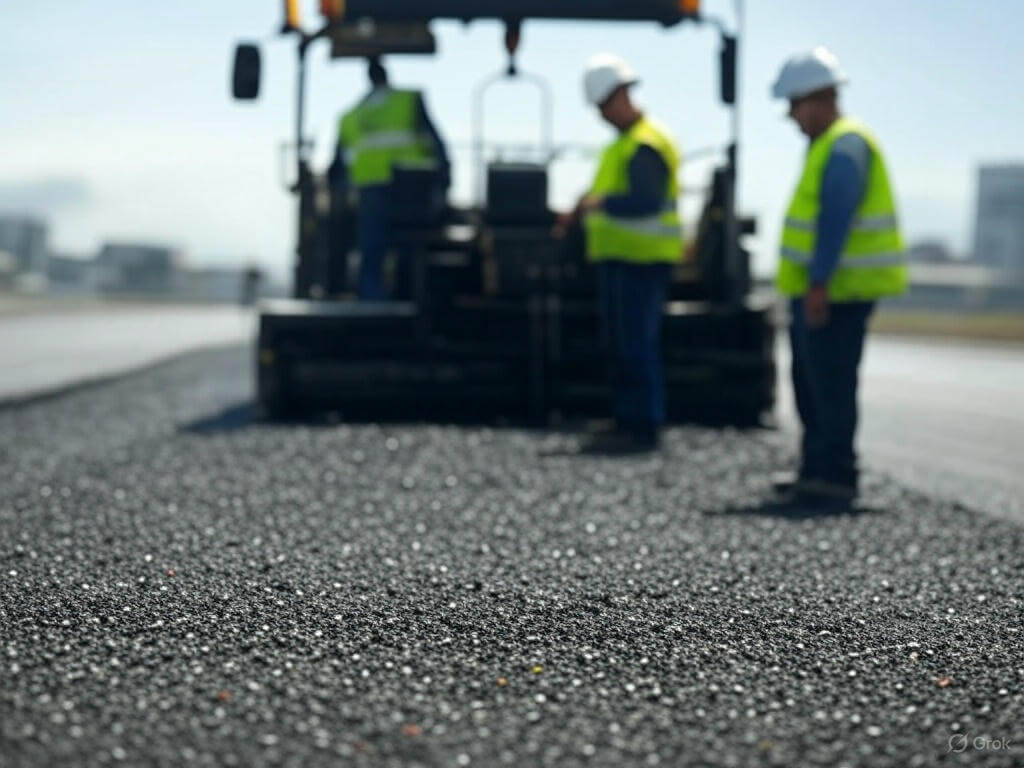
HOA boards across Charleston face the ongoing responsibility of maintaining miles of community roads. Effective HOA road maintenance protects property values, resident safety, and community appeal. Charleston’s unique coastal climate creates specific challenges that accelerate road deterioration compared to inland areas. Understanding maintenance schedules, repair types, and budget planning helps Charleston HOA boards protect their infrastructure investments while avoiding costly emergency repairs.
This comprehensive guide covers everything South Carolina HOA boards need to know about HOA road upkeep and pavement maintenance, from routine inspections to major resurfacing projects. We’ll examine common problems, maintenance schedules, budgeting strategies, and Charleston-specific considerations that affect pavement longevity in the Lowcountry.
Why HOA Road Maintenance Matters in Charleston
Well-maintained roads protect property values, ensure resident safety, and prevent costly liability issues. Charleston’s coastal climate accelerates pavement deterioration through several mechanisms. High humidity holds moisture in asphalt, weakening the binder that holds aggregate together. Salt air from the coast accelerates oxidation, making asphalt brittle. Temperature swings from winter lows around 40°F to summer highs near 95°F cause expansion and contraction that creates cracks.
Preventive maintenance costs significantly less than major repairs or full replacement. Research from the Federal Highway Administration shows that preventive maintenance costs 6 to 8 times less than deferred maintenance that leads to structural failure. A $5,000 crack sealing project can prevent $40,000 in resurfacing work just a few years later. Regular maintenance extends road life from 15 years to 25 or 30 years, providing substantial return on investment.
Charleston HOAs face additional challenges from heavy rainfall. The area receives 50-plus inches of rain annually, according to the National Weather Service. Standing water penetrates cracks and weakens the base layer beneath asphalt. Proper drainage becomes critical for pavement longevity in Charleston’s flat terrain and high rainfall environment.
Common HOA Road Maintenance Problems in South Carolina
Understanding common pavement problems helps HOA boards identify issues early and address them before they become expensive HOA road repair projects.
Cracking (Alligator, Longitudinal, and Transverse)
Cracking appears in several forms, each indicating different underlying problems. Alligator cracking, named for its resemblance to alligator skin, indicates structural failure of the base layer. This pattern of interconnected cracks requires immediate attention, typically through full-depth repair or resurfacing. Alligator cracking means water has penetrated the base, causing it to fail under traffic loads.
Longitudinal cracks run parallel to the road’s direction and usually indicate joint issues between paving lanes or problems with the base layer’s edges. These cracks allow water infiltration that accelerates deterioration. Transverse cracks run perpendicular to traffic flow and typically result from temperature-related expansion and contraction. Charleston’s temperature swings from winter to summer create stress that manifests as transverse cracking.
Each crack type requires different repair approaches. Small transverse cracks benefit from crack sealing, while alligator cracking typically requires more extensive repair. Charleston’s heat and cold cycles cause more frequent cracking than temperate climates, making regular crack sealing essential for HOA asphalt maintenance and long-term road care.
Potholes and Surface Deterioration
Potholes form when water penetrates cracks, freezes (in cold climates), or weakens the base layer, causing the surface to collapse under traffic. Charleston’s heavy rainfall increases pothole formation risk even without freezing temperatures. Water infiltrates cracks, saturates the base, and traffic loads cause the weakened area to fail.
Potholes create immediate safety hazards and liability concerns for HOAs. Vehicles can sustain damage, and pedestrians risk injury. Addressing potholes within 48 hours reduces liability exposure and prevents further deterioration. Temporary cold patches provide immediate fixes, but full-depth repairs ensure long-term solutions.
Drainage Issues
Standing water accelerates pavement failure by saturating the base layer and weakening structural integrity. Charleston’s flat terrain and heavy rainfall create drainage challenges that many HOAs must address. Signs of drainage problems include water pooling after rain, edge deterioration where water runs off, and accelerated cracking in low areas.
Proper grading ensures water flows away from pavement surfaces toward drainage systems. Catch basins and storm drains must remain clear and functional. Charleston’s stormwater management regulations require proper drainage systems, making this both a maintenance and compliance issue.
Fading and Worn Striping
Road striping provides essential guidance for traffic flow and safety. Faded striping reduces visibility, especially at night or during rain. Charleston’s intense sun and UV exposure fade striping faster than northern climates. Typical striping lasts 2 to 3 years in Charleston versus 3 to 5 years in cooler climates.
ADA compliance requires proper striping in parking areas. Faded handicap parking markings can result in compliance violations. Regular restriping maintains safety, appearance, and compliance standards.
HOA Road Maintenance Schedule: What to Do When
A structured maintenance schedule prevents small problems from becoming major expenses. Following a systematic approach ensures nothing gets overlooked.
Annual Inspections (Every Spring)
Conduct comprehensive road inspections every spring, ideally in March or April before summer heat accelerates deterioration. Walk or drive all HOA roads, documenting issues with photos. Rate severity as minor, moderate, or severe. Create a prioritized list for board review and budget planning.
Documentation should include location, type of problem, extent of damage, and recommended action. Photos provide visual records for contractor quotes and before/after comparisons. Spring inspections catch winter damage and allow time to schedule summer repairs.
Crack Sealing (Every 2-3 Years)
Crack sealing prevents water infiltration, the primary cause of pavement failure. This cost-effective preventive measure extends pavement life significantly. Charleston’s climate makes crack sealing every 2 to 3 years essential for maintaining road integrity.
Fall (September through November) provides ideal conditions for crack sealing. Temperatures between 50°F and 90°F allow proper material application and curing. The process typically takes 1 to 2 days for a typical HOA road network. Costs range from $0.50 to $1.50 per linear foot depending on crack width and complexity.
Sealcoating (Every 3-5 Years)
Sealcoating protects asphalt from sun, water, and chemicals while restoring appearance. This protective layer extends asphalt life by 5 or more years when applied regularly. Charleston climate requires more frequent sealcoating than northern areas. Plan for sealcoating HOA roads every 3 to 4 years in Charleston versus every 5 years in cooler climates.
Best application conditions include temperatures between 50°F and 90°F with no rain for 24 hours before and after application. Sealcoating HOA roads costs $0.15 to $0.30 per square foot. This investment protects the much larger investment in the underlying pavement and is a cornerstone of community road maintenance.
Patching and Repairs (As Needed)
Address potholes and damaged areas promptly to prevent further deterioration and reduce liability. Surface patches address minor issues, while full-depth repairs restore structural integrity for more serious problems. Temporary cold patches provide immediate fixes, but permanent repairs require proper base preparation.
Full-depth pothole repairs typically cost $100 to $300 per pothole depending on size and depth. When multiple potholes appear in an area, milling and overlay may provide better value than individual patches.
Resurfacing/Overlay (Every 12-20 Years)
Resurfacing adds 1.5 to 2 inches of new asphalt over existing pavement, addressing widespread surface issues without full replacement. This less expensive alternative to replacement restores smooth surfaces and extends pavement life by 10 to 15 years.
Charleston roads typically need overlay at 12 to 15 years due to climate factors. Road resurfacing costs $2 to $4 per square foot depending on thickness and site conditions. Resurfacing addresses surface deterioration while preserving the underlying base structure and supports your HOA paving budget planning.
Full Replacement (Every 20-30 Years)
Full replacement becomes necessary when the base layer fails or extensive structural problems exist. This most expensive option includes removal of old pavement, base repair or replacement, and new asphalt installation. Plan for 2 to 3 inch thickness for residential roads depending on traffic loads.
Full replacement costs range from $5 to $8 per square foot. This major capital expense requires careful planning and budgeting. Proper maintenance extends the time between replacements, maximizing return on investment.
Creating an HOA Road Maintenance Budget
Effective HOA paving budget planning prevents special assessments and ensures adequate funding for maintenance needs. Understanding your road inventory and typical costs helps create realistic budgets for HOA street maintenance and pavement condition improvements.
Calculating Your HOA’s Road Inventory
Start by measuring total lane miles or square footage of pavement. Most HOAs maintain 2 to 5 miles of roads depending on community size. Use Google Maps, property plats, or professional surveys to determine exact measurements. Include parking lots, driveways, and other paved areas in calculations.
For a 100-home community with 3 miles of roads averaging 24 feet wide, total pavement area equals approximately 380,000 square feet. This calculation helps determine maintenance costs per square foot and total budget requirements.
Annual Maintenance Budget Guidelines
Industry guidelines suggest budgeting $300 to $500 per home per year for HOA road maintenance in Charleston. This figure includes routine maintenance, repairs, and maintenance reserve contributions toward major work. Break down the budget by maintenance type to ensure adequate funding for each category.
Allocate approximately 15 percent for crack sealing, 25 percent for sealcoating HOA roads, 20 percent for patching and HOA road repair, and 40 percent for reserve toward road resurfacing or HOA road replacement. Charleston’s higher humidity and rainfall may require adjusting these percentages upward. HOA capital planning should account for pavement condition over time.
A 100-home HOA might budget $30,000 to $50,000 annually, allocating $4,500 to $7,500 for crack sealing, $7,500 to $12,500 for sealcoating, $6,000 to $10,000 for repairs, and $12,000 to $20,000 for reserves.
Multi-Year Capital Planning
Create a 10-year capital improvement plan that phases major work across multiple years. HOA capital planning and maintenance planning should prioritize worst roads first while maintaining others preventively. Balance annual assessments against special assessments for major projects. Road maintenance programs in Lowcountry communities often phase sealcoating and overlay to spread costs.
Consider financing options for large resurfacing or replacement projects. Some HOAs spread major work across multiple budget years, while others use special assessments or loans. Phasing work section by section allows spreading costs while maintaining road functionality.
HOA Road Repair vs. Replacement: Decision Matrix
Understanding when to repair versus replace helps HOA boards make cost-effective decisions. The following guidelines help determine appropriate actions based on pavement condition.
| Condition | Recommendation | Cost per SF | Lifespan Added |
| Minor cracks | Crack seal | $0.50-1.50/LF | 2-3 years |
| Surface wear | Sealcoat | $0.15-0.30 | 3-5 years |
| Moderate damage | Overlay | $2-4 | 10-15 years |
| Severe damage | Replace | $5-8 | 20-30 years |
HOA road repair makes sense when less than 30 percent of the surface shows damage and the base remains intact. Asphalt overlay addresses 30 to 50 percent surface issues when the base structure remains sound. HOA road replacement becomes necessary when more than 50 percent of the surface shows damage or base failure occurs. For more on when to repair versus replace, see our guide on signs it’s time to resurface vs. replace your asphalt. Pavement condition assessment helps boards decide.
Charleston-specific considerations include drainage. Proper drainage is critical in Charleston’s high-rainfall environment. Address drainage issues during any repair or replacement project to prevent rapid deterioration.
Charleston-Specific HOA Road Maintenance Considerations
Charleston’s coastal location creates unique challenges that affect pavement maintenance requirements and schedules.
Coastal Climate Impact
Salt air accelerates asphalt oxidation, making pavement brittle and prone to cracking. High humidity holds moisture in pavement, weakening binder materials. Temperature swings from winter lows to summer highs cause expansion and contraction that creates stress cracks.
UV exposure year-round in Charleston’s sunny climate accelerates surface deterioration. These factors combine to require more frequent sealcoating in Charleston (every 3 years) compared to inland areas (every 5 years). Budget accordingly for increased maintenance frequency.
Heavy Rainfall and Drainage
Charleston averages 50-plus inches of rain annually, significantly more than many areas. This heavy rainfall makes proper drainage essential, not optional. Standing water ruins asphalt quickly by saturating the base layer and causing structural failure.
Ensure catch basins remain clear, grading directs water away from pavement, and storm drains function properly. Charleston’s flat terrain makes drainage design critical. Address drainage issues immediately to prevent accelerated pavement failure.
Hurricane Preparation and Recovery
Pre-hurricane season inspections should clear drains and address any existing problems that storms could worsen. Post-storm damage assessments identify immediate repair needs. Document damage with photos for insurance claims if applicable.
Debris removal from roads requires immediate attention after storms. Emergency repairs may be necessary to restore access. Plan for potential storm-related expenses in maintenance budgets.
Working with Contractors: What HOA Boards Should Know
Selecting qualified contractors and managing projects effectively ensures quality work and protects HOA investments.
Getting Multiple Quotes
Obtain 3 to 5 quotes for major work to ensure competitive pricing and complete scope coverage. Compare proposals carefully, ensuring they include the same scope of work. The lowest bid isn’t always the best value, particularly if it excludes important components like adequate base preparation or proper drainage.
Review contractor qualifications, insurance coverage, warranties, and references. Ask about experience with HOA projects specifically, as these require coordination with residents and may have unique requirements.
Questions to Ask Contractors
Essential questions help evaluate contractor qualifications and project approach. Verify licensing and insurance in South Carolina. Ask about HOA project experience and request references from other Charleston HOAs. Understand warranty terms, project timelines, and how weather delays are handled.
Confirm that contractors handle traffic control and resident notifications. Clear communication reduces complaints and ensures smooth project execution. Ask about included services versus additional costs to avoid surprises.
Coordinating with Residents
Provide advance notice of at least 2 weeks before major work begins. Communicate parking restrictions, access issues, and alternative routes clearly. Consider timing to minimize disruption, avoiding peak hours when possible.
Clear communication reduces complaints and helps residents plan around work schedules. Post notices in common areas, send email notifications, and maintain open communication throughout projects.
HOA Road Maintenance Checklist
Use this checklist to ensure comprehensive road maintenance planning and execution.
Annual Tasks:
- Spring road inspection (March-April)
- Document all cracks, potholes, drainage issues
- Get quotes for needed repairs
- Present budget to HOA board
- Schedule approved maintenance
Every 2-3 Years:
- Crack sealing (Fall in Charleston)
- Repair potholes and damaged areas
Every 3-5 Years:
- Sealcoating (all roads or phased)
- Restriping parking areas and crosswalks
Every 10-15 Years:
- Pavement condition assessment
- Plan for overlay or major repairs
- Update reserve study
Every 20-30 Years:
- Full replacement planning
- Special assessment or financing consideration
Conclusion: Proactive HOA Road Maintenance Saves HOAs Money
Preventive HOA road maintenance extends road life by 10 to 15 years compared to deferred maintenance approaches. Annual budgeting prevents special assessments and spreads costs predictably. Charleston climate requires consistent attention for maintaining HOA roads, but proper HOA road care protects substantial infrastructure investments in Lowcountry communities.
Work with experienced local contractors who understand Charleston’s unique conditions. Regular inspections catch small problems before they become major expenses. Proper HOA road maintenance protects property values and ensures resident safety while minimizing long-term costs. For ongoing care strategies, our commercial asphalt maintenance best practices guide covers repair vs. replace decisions and scheduling.
Ready to create a road maintenance plan for your Charleston HOA? Simmons Construction specializes in HOA road maintenance, paving, and repair throughout the Lowcountry. Contact us for a free site assessment and maintenance proposal tailored to your community’s specific needs and budget.
Frequently Asked Questions
How often should HOA roads be sealcoated?
Charleston HOAs should plan for sealcoating every 3 to 4 years due to the coastal climate’s impact on asphalt. Inland areas may extend this to every 5 years, but Charleston’s salt air, humidity, and UV exposure require more frequent protection.
What does HOA road maintenance cost per year?
Industry guidelines suggest budgeting $300 to $500 per home per year for comprehensive road maintenance in Charleston. This includes routine maintenance, repairs, and reserve contributions for major work. Actual costs vary based on road inventory, condition, and maintenance history.
When should an HOA resurface roads vs. replace them?
Resurfacing (overlay) makes sense when 30 to 50 percent of the surface shows damage but the base remains intact. Replacement becomes necessary when more than 50 percent of the surface is damaged or base failure occurs. Resurfacing costs $2 to $4 per square foot versus $5 to $8 for replacement.
How long do HOA roads typically last?
With proper maintenance, HOA roads typically last 20 to 30 years before requiring full replacement. Regular crack sealing, sealcoating, and prompt repairs extend pavement life significantly. Deferred maintenance can reduce lifespan to 12 to 15 years, requiring earlier replacement.
What’s included in HOA road maintenance?
Comprehensive HOA road maintenance includes annual inspections, crack sealing every 2 to 3 years, sealcoating every 3 to 5 years, pothole repairs as needed, restriping every 2 to 3 years, drainage maintenance, and planning for major resurfacing or replacement projects.