

Every commercial construction project in South Carolina that disturbs the ground has to answer the same question before equipment shows up: where does the sediment go once it starts raining. That’s not a rhetorical question. It’s a permit requirement, and getting the answer wrong is one of the faster ways to end up with a stop-work order in the middle of a schedule that didn’t have room for one.
Erosion and sediment control isn’t a box to check after the civil drawings are approved. It’s a regulated part of the construction method itself, with specific requirements that apply from the day a site is disturbed until the ground is permanently stabilized. This guide covers what the law actually requires in South Carolina, the methods commercial sites use to meet it, and the Charleston-specific conditions that make erosion control more consequential here than in a lot of other markets.
What Is Erosion and Sediment Control, and Why Is It Required by Law in SC
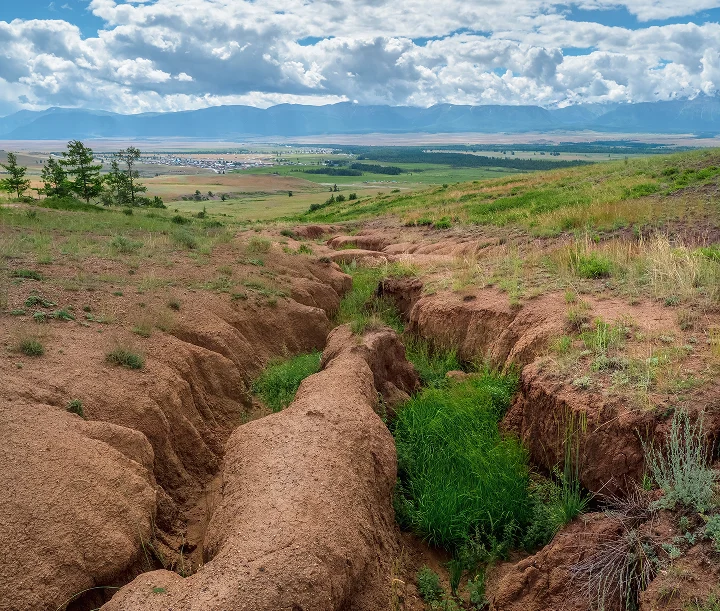
Erosion control keeps soil in place during construction. Sediment control catches soil that does move before it leaves the site and reaches a storm drain, ditch, or waterway. The two work together, and South Carolina requires both on any project that disturbs enough ground to qualify as regulated land-disturbing activity, starting the moment land clearing begins to expose bare soil.
That requirement traces back to the federal Clean Water Act, which treats stormwater discharge from construction sites as a regulated pollutant source. The South Carolina Department of Environmental Services (SCDES, formerly SCDHEC) administers the state’s Construction General Permit that implements this requirement, and it applies to essentially every commercial project that clears, grades, or excavates a meaningful amount of ground in the state, not just projects near environmentally sensitive areas.
The SCDES Land Disturbance Permit: Who Needs One and What It Requires
Coverage under South Carolina’s Construction General Permit is required for any site disturbing one acre or more, any project under one acre that’s part of a larger common plan of development that will eventually disturb an acre or more, and any construction activity within a half-mile of a coastal receiving water in South Carolina’s Coastal Zone, which covers most of the Charleston area regardless of a project’s individual size. Sites disturbing between 1 and 2 acres file a simplified Stormwater Pollution Prevention Plan; larger sites need a full SWPPP with engineering calculations, design plans, and a completed Notice of Intent submitted through the state’s ePermitting system.
Charleston-area projects carry an additional layer on top of the state permit. Charleston County’s Stormwater Management Program requires its own Stormwater Permit for any land-disturbing activity over 5,000 square feet within unincorporated Charleston County, and that county permit has to be issued before a building permit will be approved. Projects inside Charleston, North Charleston, or Mount Pleasant city limits go through each municipality’s own review process on top of the state permit. Knowing which layers apply to your specific site, and getting all of them lined up before mobilization, is part of why an experienced Charleston contractor gets involved in permitting early rather than treating it as paperwork that happens in parallel with construction.
Common Erosion Control Methods for Commercial Sites
Most commercial sites in the Charleston area combine several of the following methods, chosen based on site topography, soil type, and how close the site sits to a receiving water body.
Silt fencing. A temporary fabric barrier staked along the downhill edge of a disturbed area that intercepts sediment-laden runoff before it leaves the site. Silt fencing is one of the most common and cost-effective controls, required on the vast majority of commercial land-disturbing projects.
Sediment basins and traps. Engineered basins that collect runoff and allow suspended sediment to settle out before water discharges from the site. Larger commercial projects, especially those with significant cut-and-fill, typically need a sediment basin sized to the site’s disturbed acreage.
Check dams. Small barriers placed across drainage channels and swales to slow water velocity and encourage sediment to drop out before it reaches a discharge point. Effective on sites with any meaningful slope where water would otherwise move too fast to control.
Inlet protection. Filters or barriers placed around storm drain inlets to keep sediment out of the municipal storm system while a site remains disturbed.
Hydroseeding and soil stabilization. Hydroseeding, along with erosion control blankets and coir logs, establishes vegetation and reinforces bare soil quickly, which matters most on slopes and any area that will sit exposed for more than a few days.
Retaining walls. For steeper grade changes, retaining walls provide a permanent structural solution that holds soil in place well beyond the construction period itself.
Temporary vs. Permanent Erosion Control: What’s Needed at Each Phase
Temporary measures, silt fencing, inlet protection, check dams, and temporary seeding, go in before ground disturbance begins and stay in place throughout active construction. These controls are designed to be removed or replaced once the site reaches final stabilization, and a SWPPP typically includes a maintenance schedule requiring inspection after every significant rain event, not just periodically.
Permanent measures, retaining walls, permanent vegetation, engineered drainage structures, and stabilized slopes, take over once construction activity in a given area is complete. The transition from temporary to permanent controls isn’t automatic. It requires the site to reach the stabilization standard defined in the permit, generally a specified percentage of vegetative cover established and actively growing, before temporary measures can be removed. Pulling silt fence too early, before permanent stabilization is actually established, is a common way a site falls out of compliance after looking finished.
Consequences of Non-Compliance in Charleston County
SCDES and Charleston County both have enforcement authority over erosion control violations, and neither treats it lightly. Consequences for non-compliance include formal notices of violation, fines that accumulate per day of continued non-compliance, and stop-work orders that halt construction until the site is brought back into compliance, which is often the most expensive consequence because it stops the entire schedule, not just the offending activity.
Beyond the direct regulatory penalties, an erosion control failure that sends sediment into a neighboring property or a waterway creates real liability exposure and, in a market as visible as Charleston’s waterfront and tidal creek system, real reputational cost for a developer or GC. Inspectors here are specifically watching for sediment reaching state waters, which makes the buffer zones around wetlands and tidal creeks a higher-scrutiny area than a comparable inland site would face.
How Erosion Control Integrates With Grading and Drainage Planning
Erosion control doesn’t function as a standalone scope bolted onto the schedule. It’s designed alongside grading and drainage, because all three are managing the same water on the same site. The grading plan determines where water flows during construction, which determines where silt fence and check dams actually need to go, and the permanent drainage design determines what “final stabilization” needs to look like before temporary controls come out. Our own guide to site grading and drainage for commercial development covers that relationship in more depth, including the Charleston-specific soil and water table conditions that make the sequencing especially important here.
This is also why erosion control needs to be planned before land clearing begins, not after. Silt fencing and inlet protection have to be functional before the first significant ground disturbance, which on most projects means before clearing debris and vegetation removal is even complete. Our land clearing cost and timeline guide walks through where erosion control installation actually falls in a typical project sequence, and how skipping ahead of it tends to generate compliance problems later.
Best Practices for Coastal Construction Sites
Charleston’s coastal geography adds specific considerations beyond the standard SCDES requirements.
Tidal influence. Sites near tidal creeks and marshes need erosion control designed around fluctuating water levels, not just rainfall runoff, since a control that works at low tide can fail at high tide if it wasn’t designed with the tidal range in mind.
Sandy and soft coastal soils. Sandy soils erode differently than clay, often faster and less predictably, which affects which stabilization method actually holds. A hydroseeding mix or blanket that performs well on Piedmont clay isn’t automatically the right choice for Lowcountry sand.
High water table. A high water table limits infiltration-based controls and puts more weight on surface measures like silt fencing, sediment basins, and vegetative stabilization to do the work that subsurface drainage can’t.
Half-mile coastal buffer. Because so much of the Charleston area falls within the half-mile coastal zone trigger, many smaller projects that wouldn’t need state permit coverage elsewhere in South Carolina need it here. Confirming this early, rather than assuming a small site is exempt, avoids a permitting surprise mid-project.
Hurricane season timing. Construction scheduled through the June-to-November hurricane season needs an erosion control plan that can hold up to a tropical storm event, not just routine rainfall, including a plan for reinforcing temporary measures ahead of a forecasted storm.
Working With an Erosion Control Contractor in Charleston
An experienced erosion control contractor should be able to walk you through which permit layers apply to your specific site, size the right combination of methods for your soil and topography, and coordinate installation with the grading and clearing schedule so controls are functional before they’re legally required to be. Ask specifically how a contractor handles inspection and maintenance after installation, since a silt fence that isn’t maintained after the first storm is functionally the same as no silt fence at all.
Simmons Construction has designed and installed erosion control systems across Charleston and the Lowcountry for nearly four decades, working alongside our excavation and grading crews so erosion control goes in at the right point in the sequence rather than as an afterthought. That coordination, plus almost 40 years of navigating the specific permitting layers that apply across Charleston, North Charleston, and unincorporated Charleston County, is what keeps a project moving instead of stopping for a compliance issue that should have been caught at the planning stage. For a broader view of how erosion control fits into the full site development sequence, our breakdown of what site work actually covers walks through the entire path from clearing to paving.
Starting a commercial project in the Charleston area? Request an erosion control plan consultation and we’ll help you scope the permitting and controls before ground disturbance begins.
Frequently Asked Questions
Does my commercial project need an erosion control permit in South Carolina?
In almost every case, yes, especially in the Charleston area. State coverage is required for any site disturbing one acre or more, any smaller site that’s part of a larger common plan of development, and any activity within a half-mile of a coastal receiving water, which covers most of the Charleston metro regardless of individual project size. Charleston County and individual municipalities may add their own permit requirements on top of the state one.
What’s the difference between erosion control and sediment control?
Erosion control keeps soil from being dislodged in the first place, through methods like vegetative cover and soil stabilization. Sediment control catches soil that has already moved, through methods like silt fencing, sediment basins, and inlet protection, before it leaves the site. A compliant plan uses both together.
What happens if a construction site is caught violating erosion control regulations in Charleston County?
Consequences include formal notices of violation, per-day fines for continued non-compliance, and stop-work orders that halt the entire project until compliance is restored. Sediment reaching a waterway or an adjacent property also creates civil liability exposure separate from the regulatory penalty.
When can temporary erosion control measures be removed?
Temporary measures can come out once the disturbed area reaches the permit’s final stabilization standard, typically a specified percentage of vegetative cover established and actively growing, not simply once construction activity looks finished. Removing silt fence or other temporary controls before that standard is met is a common compliance mistake.
How does Charleston’s coastal environment change erosion control requirements?
Much of the Charleston area falls within the half-mile coastal zone trigger, which pulls smaller projects into state permit requirements that wouldn’t apply to a comparable inland site. Tidal influence, sandy soils, and a high water table also change which methods are effective, and hurricane season adds a storm-readiness requirement that inland sites don’t face in the same way.
Can erosion control be added after grading has already started?
Erosion control is supposed to be installed before significant ground disturbance begins, not added afterward. Starting grading or clearing without erosion control in place is itself a compliance violation, and retrofitting controls onto an already-disturbed site is both harder to do effectively and more likely to trigger enforcement attention.